Generic Medicine Pharma

AZ (Azithromycin) 1%
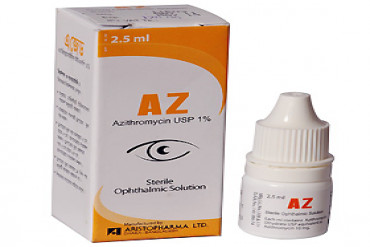
AZ (Azithromycin) 1%
AZ 1% contains Azithromycin, a macrolide antibiotic used to treat bacterial eye infections such as conjunctivitis. It works by inhibiting bacterial growth and reducing inflammation, helping relieve symptoms like redness, irritation, and discharge.
| Field | Details |
|---|---|
| Original Brand | Azasite |
| Generic Brand | AZ 1% |
| Generic Name | Azithromycin 1% |
| Pack Size | Eye Drop Bottle |
| Use / Indications | Bacterial Conjunctivitis, Eye Infections |
| Manufacturer | — |
| Status | Prescription Only Medicine |
Introduction to Azasite (Azithromycin) 1%
AZ (Azithromycin) 1% is a widely used prescription medicine formulated for the treatment of bacterial eye infections, particularly bacterial conjunctivitis. This medication belongs to a specialized group of antibiotics known as macrolides, which help eliminate infection-causing bacteria effectively.
AZ (Azithromycin) 1% is classified under Prescription Medicines, Antibiotic Eye Drops, Ophthalmic Medicines, and Antibacterial Agents. It contains Azithromycin, which works by stopping the growth of bacteria responsible for eye infections.
In some markets, AZ 1% is available as a local or generic brand containing the same active ingredient Azithromycin, offering similar therapeutic benefits when prescribed by a qualified healthcare professional.
What Is Azasite (Azithromycin)?
Azasite is the brand name for Azithromycin ophthalmic solution, an antibiotic medication used to treat bacterial infections of the eye.
Azithromycin belongs to a class of medicines known as Macrolide Antibiotics. These medicines work by inhibiting bacterial protein synthesis, thereby preventing bacterial growth.
Generic versions such as AZ 1% contain the same active compound and may be used depending on physician recommendation and availability.
Drug Class and Mechanism of Action
Azithromycin is classified as a macrolide antibiotic with strong antibacterial properties.
How Azithromycin Works
It works in several ways:
- Inhibits bacterial protein synthesis
- Stops bacterial growth and replication
- Helps the immune system clear infection more effectively
Through these mechanisms, Azithromycin helps eliminate bacterial infections in the eye.
How Azasite Works in the Body
The eye can be affected by bacterial infections that cause redness, irritation, and discharge. Azasite helps reduce these symptoms by targeting infection-causing bacteria.
Key Actions of Azithromycin
- Eliminating bacteria responsible for eye infections
- Reducing inflammation and irritation
- Preventing the spread of infection
Some generic versions such as AZ deliver the same active compound, ensuring similar antibacterial treatment when used appropriately.
Medical Uses of Azasite (Azithromycin) 1%
Azasite 1% is commonly prescribed for bacterial eye infections.
Azasite for Bacterial Conjunctivitis
It is primarily used for treating bacterial conjunctivitis (pink eye).
Potential Benefits
- Reduces redness and swelling
- Clears eye discharge
- Provides rapid relief from irritation
Generic alternatives like AZ 1% may also be used under medical supervision when Azithromycin therapy is required.
Who Can Take AZ 1%?
Because Azithromycin is a prescription antibiotic, it should be used under medical supervision.
Eligibility Criteria
Patients may be prescribed Azasite if they:
- Have bacterial eye infections
- Experience symptoms like redness, discharge, or irritation
- Require targeted antibiotic eye therapy
Who Should Avoid Azasite (Azithromycin) 1%
Azasite should NOT be used by:
- Individuals allergic to Azithromycin or macrolide antibiotics
- Patients with viral or fungal eye infections (unless diagnosed)
Azasite (Azithromycin) 1% Dosage and Administration
Standard Dosage Guidelines
Typical usage includes:
- Apply 1 drop in the affected eye
- Usually twice daily for the first 2 days, then once daily
- Follow doctor’s prescription strictly
Dosage Adjustments
Doctors may adjust the dose depending on:
- Severity of infection
- Patient response to treatment
- Age and medical condition
Side Effects of Azasite 1%
Common Side Effects
- Eye irritation or burning sensation
- Temporary blurred vision
- Mild itching or discomfort
Serious Side Effects
- Severe allergic reactions
- Eye swelling or intense redness
- Persistent vision changes
Patients should seek medical attention if serious symptoms occur.
Storage:
Store below 25°C in a cool, dry place. Keep away from direct sunlight and out of reach of children. Ensure the bottle is tightly closed after use.
Frequently Asked Questions (FAQs)
1. Is Azasite (Azithromycin) 1% safe for long-term use?
It is usually prescribed for short-term use. Long-term use should only be under medical supervision.
2. Can AZ 1% treat viral eye infections?
No. It is effective only against bacterial infections, not viral or fungal infections.
3. Is Azasite (Azithromycin) 1% a steroid?
No. It is an antibiotic, not a steroid.
4. Can I wear contact lenses while using AZ 1%?
It is generally recommended to avoid contact lenses during treatment unless advised by a doctor.
5. Can children use AZ 1%?
Yes, but only under a doctor’s prescription.
6. Is AZ 1% the same as Azasite?
AZ 1% contains Azithromycin, the same active ingredient found in Azasite.
7. Do I need a prescription to buy AZ (Azithromycin) 1%?
Yes. It is a prescription-only medicine.
Medical Disclaimer
Disclaimer:
The information provided here is for educational purposes only and should not be considered medical advice. Azasite (Azithromycin) is a prescription medicine and must be used under the supervision of a qualified healthcare professional.
