Generic Medicine Pharma

CEFAZONE
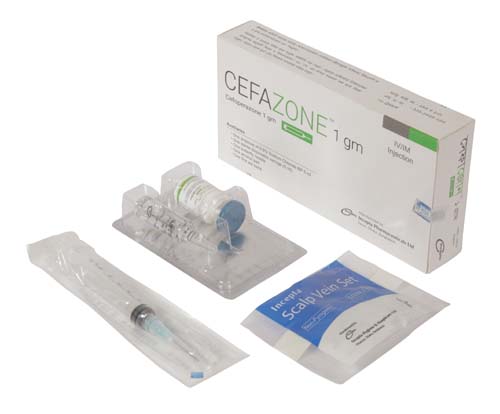
CEFAZONE
0.00$
Cefazone 1g (Cefoperazone): Complete Guide to Uses, Dosage, Benefits, Side Effects & FAQs
Introduction to Cefazone 1g
Cefazone 1g is a high-potency prescription antibiotic used to treat severe bacterial infections throughout the body. It belongs to the Prescription Medicines, Antibiotics & Infectious Disease Medicines, and Injectable Medicines categories. Unlike standard oral antibiotics, Cefazone is administered via injection, allowing it to enter the bloodstream directly and reach the site of infection rapidly.
Think of Cefazone 1g as a rapid-response unit for critical infections. It is specifically formulated to combat complex bacterial strains that may be resistant to more common treatments, providing a vital line of defense in hospital and clinical settings. This guide explains what Cefazone is, how it works, its administration, benefits, and safety information.
What Is Cefazone 1g (Cefoperazone)?
Cefazone 1g is the brand name for Cefoperazone Sodium, a semi-synthetic, broad-spectrum antibiotic. It is developed for the treatment of serious infections such as respiratory tract infections, peritonitis, and septicemia. The active ingredient, Cefoperazone, is part of the third-generation cephalosporin family, known for its ability to target a wide range of “Gram-positive” and “Gram-negative” bacteria.
Drug Class and Mechanism of Action
Cefazone 1g is classified as a Third-Generation Cephalosporin Antibiotic. Bacteria survive and multiply by building a protective wall around themselves.
Cefoperazone works by inhibiting the synthesis of the bacterial cell wall. It binds to specific proteins inside the cell wall, preventing the bacteria from cross-linking the structures needed for stability. Without a solid cell wall, the bacteria cannot withstand internal pressure and eventually burst (lysis). This bactericidal (bacteria-killing) action is highly effective against many organisms that produce beta-lactamases (enzymes that typically destroy other antibiotics like Penicillin).
How Cefazone 1g is Administered
Because it is a parenteral (injectable) medication, Cefazone 1g must be administered by a healthcare professional.
-
Routes: It can be given via Intramuscular (IM) injection or Intravenous (IV) infusion.
-
Reconstitution: The dry powder in the vial is mixed with a sterile solution (like Water for Injection or 0.9% Sodium Chloride) before use.
-
Setting: Usually administered in a hospital or clinic setting where vital signs can be monitored.
Key Benefits of Cefazone 1g
Using Cefazone 1g under medical supervision provides several critical clinical benefits:
-
Broad Spectrum: It is effective against a vast array of bacteria, including those affecting the lungs, urinary tract, and skin.
-
High Stability: It remains active even in the presence of many bacterial defense enzymes (beta-lactamases).
-
Biliary Excretion: Unlike many other antibiotics, it is extensively excreted through the bile, making it particularly useful for treating infections of the liver and gallbladder (biliary tract).
-
Rapid Action: By bypassing the digestive system, it reaches therapeutic levels in the blood very quickly.
Common Side Effects
As with any potent antibiotic, some patients receiving Cefoperazone may experience:
-
Gastrointestinal Issues: Diarrhea or loose stools are the most common side effects.
-
Hypersensitivity: Skin rashes or drug-induced fever may occur in sensitive individuals.
-
Injection Site Reaction: Temporary pain, redness, or swelling where the needle was inserted.
-
Hematological Changes: Reversible changes in white blood cell or platelet counts during prolonged treatment.
Precautions and Safety Information
Before receiving Cefazone 1g, inform your doctor if:
-
Allergies: You have a history of allergies to Penicillin or other Cephalosporins (cross-sensitivity can occur).
-
Liver/Biliary Disease: Dosage adjustments may be needed as the drug is processed primarily by the liver.
-
Pregnancy/Breastfeeding: It should be used only if clearly needed and prescribed by a specialist.
-
ALCOHOL WARNING: You must avoid alcohol during treatment and for at least 72 hours after the last dose. Cefoperazone can cause a “Disulfiram-like reaction” (flushing, rapid heartbeat, nausea, and headache) when mixed with alcohol.
Frequently Asked Questions (FAQs)
1. Can I take Cefazone 1g for a common viral flu?
No. Cefazone is an antibiotic and only works against bacterial infections. It has no effect on viruses like those that cause the flu or the common cold.
2. Is Cefazone 1g used for surgical procedures?
Yes, it is often used for “surgical prophylaxis” to prevent infections from occurring after abdominal, orthopedic, or gynecological surgeries.
3. How long is a typical course of Cefazone?
The duration depends on the severity of the infection, but most treatments last between 7 to 14 days.
4. Can I go home after receiving the injection?
This depends on your condition. While the injection itself is quick, the underlying infection being treated (like pneumonia or sepsis) usually requires hospital monitoring.
5. What should I do if I get severe diarrhea?
Contact your doctor immediately. While mild diarrhea is common, severe or bloody stools can be a sign of a secondary infection (colitis) that requires medical attention.
Conclusion
Cefazone 1g (Cefoperazone) is a powerful, third-generation antibiotic designed for the front-line treatment of serious bacterial threats. Its unique ability to remain stable against bacterial defenses and its specific effectiveness in biliary and systemic infections make it an essential tool in acute medical care. When administered correctly by healthcare professionals, Cefazone provides a highly effective path toward clearing severe infections.
Medical Disclaimer: This content is for informational purposes only and does not replace professional medical advice, diagnosis, or treatment. Always consult a qualified healthcare provider before starting or changing any medication.
