Generic Medicine Pharma

TACROMUS (Tacrolimus) 0.5mg
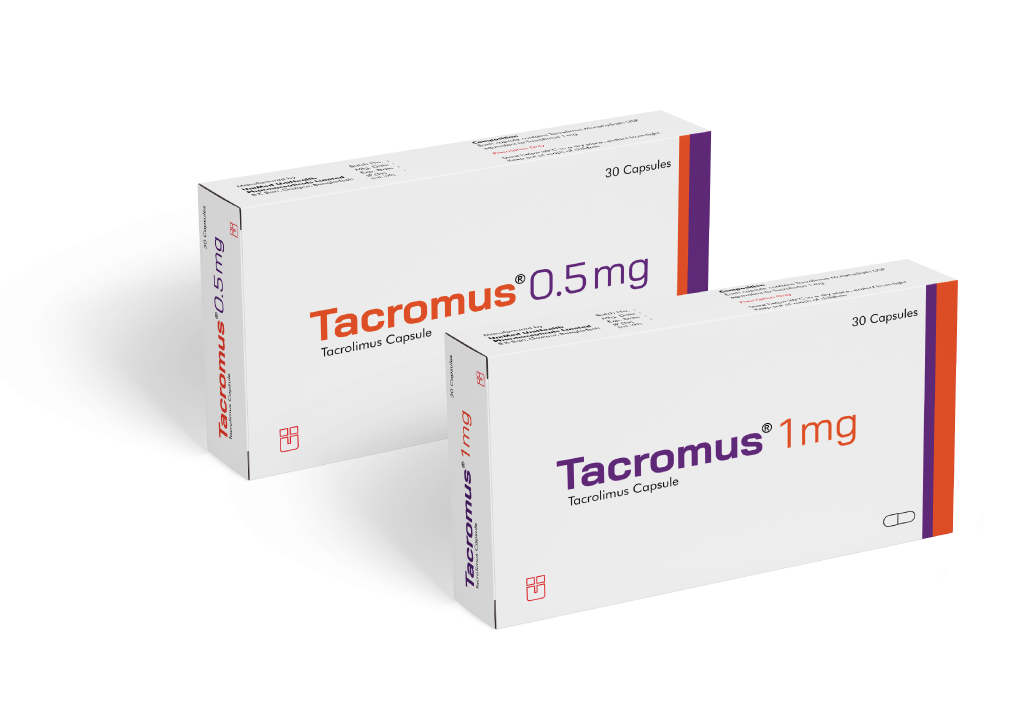
TACROMUS (Tacrolimus) 0.5mg
Tacromus 0.5mg contains Tacrolimus, an immunosuppressant used to prevent organ rejection after transplantation. It works by suppressing immune system activity to protect transplanted organs.
| Field | Details |
|---|---|
| Original Brand | Prograf |
| Generic Brand | Tacromus |
| Generic Name | Tacrolimus 0.5mg |
| Pack Size | 10/30 Capsules |
| Use / Indications | Prevention of Organ Transplant Rejection |
| Manufacturer | Healthcare Pharmaceuticals Ltd. |
| Status | Prescription Only Medicine |
Categories:
Autoimmune & Immunology Medicines, Prescription Medicines
Introduction to Prograf (Tacrolimus) 0.5mg
Prograf (Tacrolimus) 0.5mg is a prescription immunosuppressant medicine used primarily to prevent organ rejection after organ transplantation. It works by suppressing the immune system so that the body does not attack the transplanted organ.
Prograf (Tacrolimus) 0.5mg is classified under Prescription Medicines, Immunosuppressants, and Organ Transplant Medicines. It contains Tacrolimus, which helps control immune responses and improves transplant success rates.
In some markets, Tacromus 0.5mg is available as a local brand containing the same active ingredient, providing similar therapeutic benefits when prescribed by a qualified healthcare professional.
What Is Prograf (Tacrolimus)?
Prograf is the original brand name for Tacrolimus, an immunosuppressant medication widely used in organ transplant patients.
Tacrolimus works by inhibiting calcineurin, a protein involved in activating immune cells. By reducing immune activity, it helps prevent the body from rejecting transplanted organs such as kidneys, liver, or heart.
Generic versions such as Tacromus 0.5mg contain the same active compound and may be prescribed depending on availability and physician recommendation.
Drug Class and Mechanism of Action
Tacrolimus belongs to the calcineurin inhibitor class of immunosuppressants.
How Tacrolimus Works
- Inhibits calcineurin activity in T-lymphocytes
- Suppresses activation of immune cells
- Reduces inflammatory immune response against transplanted organs
This mechanism helps maintain transplant acceptance and prevents rejection episodes.
How Prograf Works in the Body
After an organ transplant, the immune system may recognize the new organ as foreign and attempt to destroy it. Tacrolimus suppresses immune responses by inhibiting T-cell activation, allowing the transplanted organ to function normally.
Key Actions of Tacrolimus
- Suppresses immune system activity
- Prevents rejection of transplanted organs
- Supports long-term transplant success
Generic brands like Tacromus provide the same active ingredient and therapeutic effect when used under medical supervision.
Medical Uses of Prograf (Tacrolimus) 0.5mg
Prograf 0.5mg is commonly prescribed in transplant medicine.
Prevention of Organ Rejection
Tacrolimus is used to prevent rejection in patients who have received:
Potential Benefits
- Kidney transplantation
- Liver transplantation
- Heart transplantation
It may be used alone or with other immunosuppressive medicines.
Additional Uses
Tacrolimus may also be prescribed for certain immune-related conditions depending on physician judgment.
Treatment Benefits
- Reduces immune-mediated inflammation
- Helps maintain long-term graft survival
Who Can Take Tacromus 0.5mg?
Eligibility Criteria
Patients may be prescribed Tacrolimus if they:
- Have undergone organ transplantation
- Require long-term immunosuppressive therapy
- Are able to undergo regular medical monitoring
Who Should Avoid Prograf (Tacrolimus) 0.5mg
This medicine may not be suitable for:
- Patients allergic to Tacrolimus or its components
- Individuals with severe infections without medical supervision
- Patients with uncontrolled kidney or liver dysfunction
- Pregnant or breastfeeding women unless specifically prescribed
Prograf (Tacrolimus) 0.5mg Dosage and Administration
Standard Dosage Guidelines
- Tacrolimus 0.5mg orally as prescribed by a transplant specialist
- Dose depends on body weight, transplant type, and blood drug levels
- Tablets should be taken consistently at the same time each day
Dosage Adjustments
Doctors may adjust dosage based on:
- Blood tacrolimus levels
- Kidney or liver function
- Drug interactions
Regular monitoring is essential for safe treatment.
Side Effects of Prograf 0.5mg
Like all immunosuppressant medicines, Tacrolimus may cause side effects.
Common Side Effects
- Headache
- Tremors
- High blood pressure
- Nausea or diarrhea
Serious Side Effects
- Kidney function impairment
- Increased risk of infections
- High blood sugar levels
- Neurological symptoms
Patients should seek medical attention if severe symptoms occur.
Storage:
Store below 25°C in a cool, dry place away from sunlight. Keep out of reach of children.
Frequently Asked Questions (FAQs)
1. Is Prograf (Tacrolimus) 0.5mg used after organ transplantation?
Yes. Tacrolimus is widely used to prevent rejection after kidney, liver, or heart transplantation.
2. How long do patients need to take Tacrolimus?
Many transplant patients need lifelong immunosuppressive therapy under strict medical supervision.
3. Can Tacromus 0.5mg be taken with food?
It can be taken with or without food, but it should be taken consistently the same way each day to maintain stable drug levels.
4. Does Tacrolimus weaken the immune system?
Yes. It intentionally suppresses immune activity to prevent transplant rejection.
5. Is Tacromus 0.5mg the same as Prograf?
Tacromus 0.5mg contains the same active ingredient as Prograf. Generic versions are available. For more info contact on WhatsApp: https://wa.me/8801742433764
6. Do I need a prescription to buy Tacromus (Tacrolimus) 0.5mg?
Yes. Tacrolimus is a prescription-only medicine and must be used under the supervision of a qualified healthcare professional.
Medical Disclaimer
Disclaimer:
The information provided here is for educational purposes only and should not be considered medical advice. Prograf (Tacrolimus) is a prescription-only medication and should be used strictly under the supervision of a qualified healthcare professional. Always consult your doctor before starting, stopping, or changing any medication.
