Generic Medicine Pharma


Sitagil
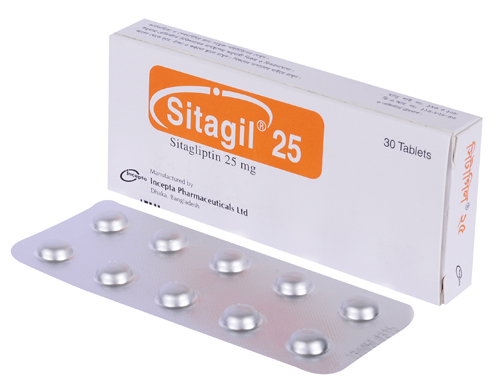
Sitagil 25 mg (Sitagliptin): Complete Guide to Uses, Dosage, Benefits, Side Effects & FAQs
Introduction to Sitagil 25 mg
Sitagil 25 mg is a prescription antidiabetic medicine used to manage blood sugar levels in adults with type 2 diabetes mellitus. Falling under the Endocrine & Metabolic Medicines and DPP-4 Inhibitors categories, it is often prescribed as an adjunct to diet and exercise. Unlike insulin, which replaces a hormone your body lacks, Sitagil 25 mg helps your body use its own insulin more effectively.
Think of Sitagil 25 mg as a “cleanup crew” for your blood sugar. The active ingredient Sitagliptin prevents the breakdown of natural hormones in your body that tell the pancreas to release insulin after a meal. This guide explores how Sitagil 25 mg works, its specific role in patients with kidney concerns, and essential safety tips.
Drug Class and Mechanism of Action
Sitagil 25 mg belongs to a class of medications known as dipeptidyl peptidase-4 (DPP-4) inhibitors, or “gliptins.”
Sitagliptin works by protecting “incretin” hormones. These hormones (GLP-1 and GIP) are naturally released by the intestines in response to food. They signal the pancreas to produce more insulin and tell the liver to stop making excess sugar. Usually, the DPP-4 enzyme breaks these hormones down very quickly. By blocking this enzyme, Sitagil 25 mg keeps incretin levels higher for longer, leading to better blood sugar control throughout the day.
How Sitagil 25 mg Works in the Body
Sitagil 25 mg manages glucose levels by:
-
Stimulating the pancreas to release insulin when blood sugar is high.
-
Reducing the amount of sugar produced by the liver.
-
Lowering both fasting blood sugar and post-meal glucose spikes.
Because its action is “glucose-dependent” (it only triggers insulin when sugar is present), it has a much lower risk of causing dangerously low blood sugar (hypoglycemia) compared to some older diabetes drugs like sulfonylureas.
Medical Uses of Sitagil 25 mg
Sitagil 25 mg is used to improve glycemic control in various treatment plans.
Sitagil 25 mg for Type 2 Diabetes
It is indicated for adults whose blood sugar is not well-controlled by diet and exercise alone. It can be used as:
-
Monotherapy: Used by itself when Metformin is not suitable.
-
Combination Therapy: Taken alongside other medicines like Metformin, Sulfonylureas, or Insulin.
Sitagil 25 mg and Kidney Function
The 25 mg strength is a specific dosage adjustment. While the standard dose for healthy adults is 100 mg, the 25 mg dose is typically prescribed for:
-
Patients with severe renal impairment (kidney disease).
-
Patients with end-stage renal disease (ESRD) requiring dialysis.
-
This ensures the drug does not build up to unsafe levels in the body since it is primarily cleared by the kidneys.
Who Can Take Sitagil 25 mg?
Eligibility Criteria
You may be considered for Sitagil 25 mg if you:
-
Have type 2 diabetes.
-
Have been diagnosed with severe kidney issues requiring a lower “renal dose.”
Who Should Avoid Sitagil 25 mg
Sitagil 25 mg is not appropriate for:
-
Type 1 Diabetes: It is not effective for patients whose bodies produce no insulin.
-
Diabetic Ketoacidosis: A serious complication of diabetes that requires emergency treatment.
-
History of Pancreatitis: Patients with a history of inflammation of the pancreas should use it with extreme caution.
-
Pregnancy/Breastfeeding: Safety has not been fully established; consult a doctor.
Dosage and Administration
Standard Dosage Guidelines
-
Dose: One 25 mg tablet taken once daily.
-
Timing: It can be taken at any time of day, with or without food.
-
Consistency: Try to take it at the same time every day to maintain steady levels.
Administration Tips
-
Swallow the tablet whole with a glass of water. Do not crush or chew it.
-
If you miss a dose, take it as soon as you remember. If it is almost time for your next dose, skip the missed one. Do not take two doses at once.
Side Effects of Sitagil 25 mg
Common Side Effects
-
Upper respiratory tract infections (sore throat, runny nose).
-
Headache.
-
Mild stomach upset or diarrhea.
Serious Side Effects (Seek Medical Help)
-
Pancreatitis: Severe, persistent stomach pain that may radiate to the back, with or without vomiting.
-
Severe Allergic Reactions: Swelling of the face, lips, or throat; skin rashes or hives.
-
Severe Joint Pain: Some patients may experience disabling joint discomfort.
-
Hypoglycemia: If used with insulin or sulfonylureas, watch for shakiness, sweating, and confusion.
Frequently Asked Questions (FAQs)
1. Why am I on 25 mg instead of 100 mg? The 25 mg dose is specifically for patients whose kidneys are not working at full capacity. This lower dose provides the same blood-sugar-lowering benefit while preventing the medication from accumulating and causing side effects.
2. Does Sitagil 25 mg cause weight gain? Generally, no. Sitagliptin is considered “weight neutral,” meaning it typically does not cause the weight gain associated with insulin or certain other oral diabetes drugs.
3. Can I drink alcohol with Sitagil 25 mg? It is best to limit alcohol. Drinking while taking diabetes medication can increase the risk of low blood sugar and may increase the risk of pancreatitis.
4. How long do I need to take this medicine? Type 2 diabetes is a chronic condition. You will likely need to take Sitagil 25 mg for a long time, possibly for life, as long as it continues to control your blood sugar effectively.
Medical Disclaimer: This content is for informational purposes only and does not replace professional medical advice. Always consult a qualified healthcare provider before starting or changing any medication.
Next Step: Would you like me to find out about common drug interactions for Sitagliptin or perhaps a list of symptoms for pancreatitis to keep an eye on?
